What the archivist found when the plug-in stopped
The Internet Archive Runs Flash Content in the Browser Through Ruffle and Documents What It Cannot Save
The San Francisco nonprofit that has been archiving the web since 1996 now runs Flash games and animations directly in the browser — no plug-in required.

How the Collection Works
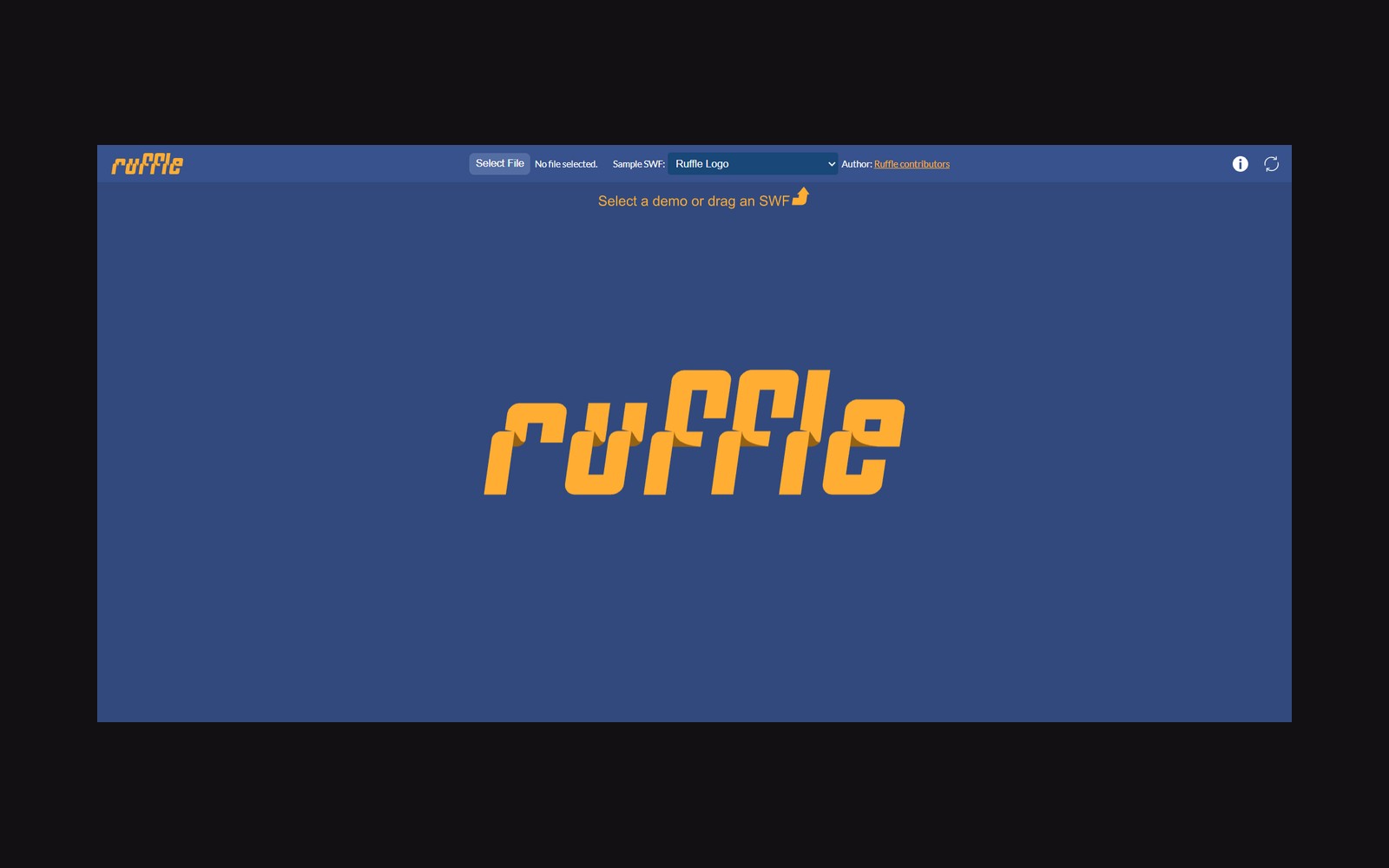
The Internet Archive integrated Ruffle, the open-source Flash Player re-implementation written in Rust and compiled to WebAssembly, into its software library in 2020, ahead of Adobe's end-of-life deadline. Visitors navigating to an archived SWF item see Ruffle load in place of any browser plug-in, executing ActionScript and rendering vector animation without requiring the original NPAPI-based Flash Player. The collection spans tens of thousands of items across games, animations, interactive toys, and educational software — a breadth that reflects decades of deposit from Newgrounds, personal sites, and the open web.
Each item in the collection carries standard Archive metadata: a persistent URL, an upload date, a subject tag, and a license field where the depositor provided one. The Archive's software library pages surface the Ruffle player automatically when the format is detected as SWF, meaning playback is embedded in the same page as the item record rather than requiring a separate download or emulator setup.
What the Archive Says It Cannot Save
The Archive is explicit about the limits of emulation, and its published item notes and blog posts name the failure modes directly. Server-dependent games — titles whose logic, level data, or save states lived on a developer's back-end — cannot be restored by emulating the client alone. Games that required account systems, real-time multiplayer, or calls to an external API are documented as non-functional even when the SWF itself is present and Ruffle renders its preloader correctly. The archive of what is genuinely lost extends well beyond what any client-side emulator can address.
Also in The Archive
BlueMaxima Started Flashpoint in 2018 and It Now Holds Over 100,000 Entries
Ruffle Re-Implements the Flash Player in Rust and Runs in a Browser Without a Plug-In
Ruffle's own compatibility constraints add a further layer: content built on ActionScript 3 and the AVM2 virtual machine is harder to emulate than AS1 or AS2 work, and some games that do load exhibit broken collision, missing audio, or stalled state machines. The Archive does not suppress these items; it flags them with compatibility notes so researchers understand what they are looking at.
The result is a collection that is honest about its own gaps — a publicly searchable body of Flash software held at stable URLs, playable where Ruffle's coverage allows, and documented where it does not. That combination of access and disclosure makes it a widely used starting point for Flash preservation, even knowing it is incomplete.